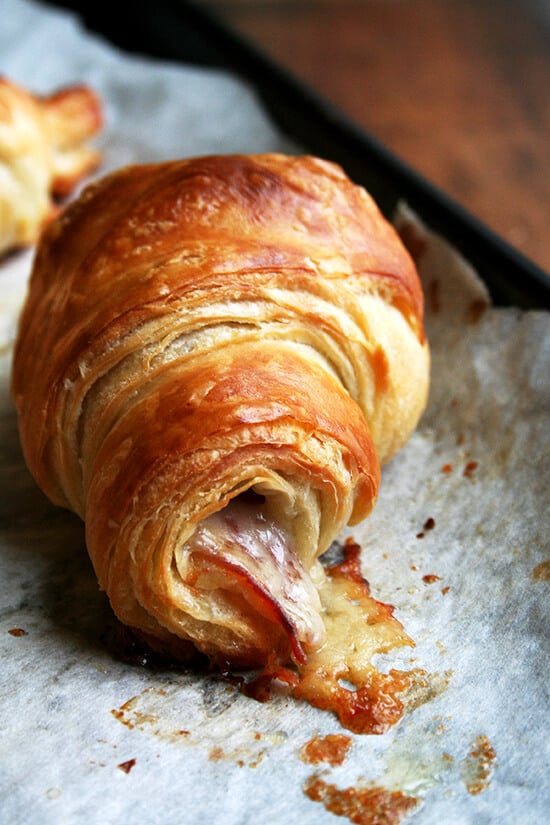
Achieve Feather-Light Prosciutto Gruyère Croissants with Faux Dough
Imagine waking up to the irresistible aroma of freshly baked croissants, their golden-brown layers hinting at a delicate flakiness within, and a savory surprise of salty prosciutto and nutty Gruyère cheese. For many home bakers, the dream of crafting perfect croissants remains just that—a dream, often deterred by the notoriously complex and time-consuming traditional lamination process. However, what if we told you that achieving these gourmet master flaky prosciutto gruyère croissants with cheater dough is not only possible but surprisingly accessible? Welcome to the revolutionary world of faux croissant dough, a game-changer that promises all the indulgence without the intensive labor.
This article delves into the brilliance of the "cheater" croissant dough, revealing how you can create stunning prosciutto gruyere croissants that are feather-light, flaky, and utterly delicious. Forget hours of folding and chilling butter-laden layers; with this ingenious method, a luxurious breakfast or brunch treat is within your grasp, transforming your kitchen into a Parisian patisserie with minimal fuss.
The Magic of Faux Croissant Dough: Unlocking Effortless Flakiness
At the heart of these sensational prosciutto gruyere croissants lies a culinary innovation: the faux croissant dough. Traditionally, creating genuine croissants involves an intricate and laborious process of laminating butter into dough through repeated folding, chilling, and rolling—a technique that can intimidate even seasoned bakers. However, inspired by the likes of Dominique Ansel’s MasterClass and Mandy Lee’s insights into laminated dough, a simpler, yet equally effective, method has emerged.
This "cheater" dough, often made with the help of a food processor, bypasses much of the traditional butter-laminating. The astonishing result is a pastry dough that bakes into a puff of layer upon feather-light layer, defying expectations. One might wonder how such an ethereal texture is achieved without the relentless layering of butter. The secret lies in a clever approach to dough structure that, while not identical to classic croissants, delivers a remarkably similar and equally satisfying flakiness.
The beauty of this faux dough is its accessibility. It democratizes the art of croissant making, allowing home bakers to produce impressive, bakery-quality pastries in just a few hours rather than days. The dough, once prepared, acts as a canvas for endless possibilities, and in this case, it’s the perfect foundation for savory prosciutto gruyere croissants. Despite requiring less intensive butter lamination, the finished pastries surprise with their lightness, often feeling as delicate as rice cakes, allowing the rich flavors of the fillings to truly shine. This method isn't just a shortcut; it's a smart way to enjoy gourmet pastries more often.
Crafting Your Prosciutto Gruyère Masterpiece: A Step-by-Step Guide
Once you have your half-recipe of Cheater Croissant Dough ready, the journey to creating your prosciutto gruyere croissants truly begins. This part of the process is straightforward and incredibly rewarding, transforming simple ingredients into a sophisticated treat.
Ingredients You'll Need:
- ½ recipe Cheater Croissant Dough (prepared according to your preferred faux dough recipe)
- 8 slices prosciutto (thinly sliced is key)
- 8 slices Gruyère cheese (or approximately 2-3 oz/60-90g, thinly sliced or shredded)
- Egg wash (1 large egg whisked with 1 tbsp water or milk)
- All-purpose flour, for dusting
The Assembly Process:
- Preparation: Begin by lining a large sheet pan with parchment paper. This prevents sticking and makes cleanup a breeze. Generously flour your clean work surface—this is crucial to prevent the dough from sticking as you roll.
- Rolling the Dough: Take your chilled faux croissant dough and roll it out into a rectangle measuring approximately 10 by 15 inches (25 by 38 cm). Aim for even thickness throughout.
- Trimming for Perfection: With a long side of the dough rectangle facing you, use a ruler and a sharp knife or pastry wheel to trim the edges so they are straight. Adjust the long sides to measure about 14 inches (35.5 cm). This ensures uniform croissant shapes.
- Cutting the Triangles: Using your ruler, mark along the bottom edge of the dough every 3½ inches (9 cm). From these marks, cut long triangles measuring approximately 10 inches (25 cm) long and 3½ inches (9 cm) wide at their base. You should get 8 triangles.
- Stretching and Filling: Pick up one dough triangle by its wider base and gently stretch it until it reaches about 12 inches (30.5 cm) in length. This elongates the dough, allowing for more rolls and layers. Lay the stretched triangle back on your work surface. Place one slice of prosciutto over the wider part of the triangle, followed by one slice of Gruyère cheese.
- Rolling the Croissants: Starting from the wide, filled end, carefully roll the dough triangle towards its tip. As you roll, ensure the filling stays tucked inside. Once rolled, place the croissant on your prepared sheet pan, making sure the pointy tip is tucked underneath the croissant. This prevents it from popping up during baking and helps maintain its classic crescent shape.
- Repeat and Space: Repeat the stretching, filling, and rolling process with the remaining dough triangles. Arrange the croissants evenly on the sheet pan, leaving ample space between them, as they will expand significantly during proofing and baking.
- Proofing (The Rise): Loosely cover the sheet pan with plastic wrap. Allow the croissants to rise in a warm, draft-free place for 2 to 2½ hours. They are ready when they have visibly doubled in size and look puffed and airy. This crucial step develops their structure and ensures a light, tender crumb.
The Culinary Alchemy: Baking to Golden Perfection
Once your prosciutto gruyere croissants have completed their vital proofing stage, they are ready for their transformation in the oven. This final step is where the magic truly happens, turning soft dough into crisp, golden-brown delights.
- Preheat Your Oven: Position an oven rack in the middle of your oven and pre-heat it to 400°F (200°C). Accurate oven temperature is key to achieving that perfect golden crust and cooked-through interior.
- Egg Wash Application: Gently remove the plastic wrap from the risen croissants. Using a pastry brush, carefully apply the egg wash evenly over the surface of each croissant. The egg wash contributes to the beautiful deep golden-brown color and a slight sheen, making them even more appealing.
- Baking: Transfer the sheet pan to the preheated oven. Bake for 25 to 30 minutes, or until the croissants are a deep, rich golden brown. A good indicator that they are fully baked is when the layers look distinct and do not appear underbaked or doughy. The cheese inside should be melted and bubbling, and the prosciutto slightly crisped, contributing to an intoxicating aroma that will fill your kitchen.
- Cooling: Once baked, immediately transfer the sheet pan to a wire rack. Let the croissants cool completely. While the temptation to dig in immediately is strong, cooling allows the internal structure to set and the flavors to fully develop. Croissants are truly at their peak when enjoyed the same day they are made, offering the freshest flakiness and best texture.
Beyond the Recipe: Elevating Your Prosciutto Gruyère Croissants
Mastering the art of making prosciutto gruyere croissants with faux dough is a culinary triumph in itself, but there are always ways to enhance the experience and add your personal touch. From ingredient choices to serving suggestions, here's how to truly make these pastries shine.
Ingredient Insights for Optimal Flavor:
- The Prosciutto: Quality matters immensely here. Seek out thinly sliced, high-quality prosciutto. Its delicate saltiness and melt-in-your-mouth texture are paramount. If slices are too thick, they can become chewy rather than complement the flaky dough.
- The Gruyère: Gruyère cheese is chosen for a reason—its nutty, earthy flavor profile is the perfect counterpoint to the salty prosciutto. It melts beautifully, creating a creamy, gooey interior that adds a luxurious dimension. While you can experiment with other cheeses like Emmentaler or a mild cheddar, Gruyère truly elevates these elevate your breakfast: flaky prosciutto gruyere croissants recipe to gourmet status.
- Freshness of Dough: The success of these croissants heavily relies on the quality and freshness of your faux croissant dough. Ensure it's prepared correctly and chilled adequately before rolling.
Serving Suggestions and Pairings:
These savory prosciutto gruyere croissants are incredibly versatile. They are substantial enough to be enjoyed on their own as a delightful breakfast or brunch item. Pair them with a strong cup of coffee or a refreshing mimosa for an indulgent start to your day. For a more complete meal, consider:
- Croissant Breakfast Sandwiches: As mentioned in the original inspiration, these croissants make an incredible base for breakfast sandwiches. Simply slice them open and add scrambled eggs, a fresh slice of tomato, or a dollop of avocado for an elevated morning meal.
- Brunch Centerpiece: Arrange them on a platter with fresh fruit, yogurt, and other pastries for an impressive brunch spread that will wow your guests.
- Savory Appetizer: Cut them into smaller portions and serve warm as an elegant appetizer for a gathering, perhaps alongside a glass of sparkling wine.
Storage and Reheating Tips:
While croissants are undeniably best eaten fresh on the day they are made, you can store any leftovers. Keep them in an airtight container at room temperature for up to 1-2 days. To revive their flakiness and warmth:
- Oven Reheating: Place them on a baking sheet in a preheated oven at 300°F (150°C) for 5-7 minutes, or until warmed through and slightly crisp.
- Air Fryer: An air fryer can quickly bring them back to life. Heat at 300°F (150°C) for 2-3 minutes.
Why This Recipe is a Culinary Game-Changer:
This method for prosciutto gruyere croissants isn't just about making a delicious pastry; it's about making gourmet baking accessible. It removes the intimidation factor of traditional croissant making, empowering home bakers to create something truly special. The sense of accomplishment that comes from pulling these beautiful, fragrant pastries from your own oven is immense. It's an affirmation that sophisticated flavors and textures don't always require professional training or endless hours—just a clever technique and a dash of enthusiasm.
Conclusion
The journey to creating feather-light prosciutto gruyere croissants with faux dough is one of surprising ease and immense satisfaction. By embracing the ingenuity of "cheater" croissant dough, you unlock a world of gourmet possibilities that were once reserved for professional patisseries. From the initial roll to the final golden-brown bake, each step is a testament to how innovative techniques can bring exceptional flavors right into your home kitchen. So, gather your ingredients, prepare your faux dough, and get ready to indulge in these wonderfully flaky, savory pastries. Your breakfast table (or brunch spread) will thank you for this delightful, homemade luxury.
