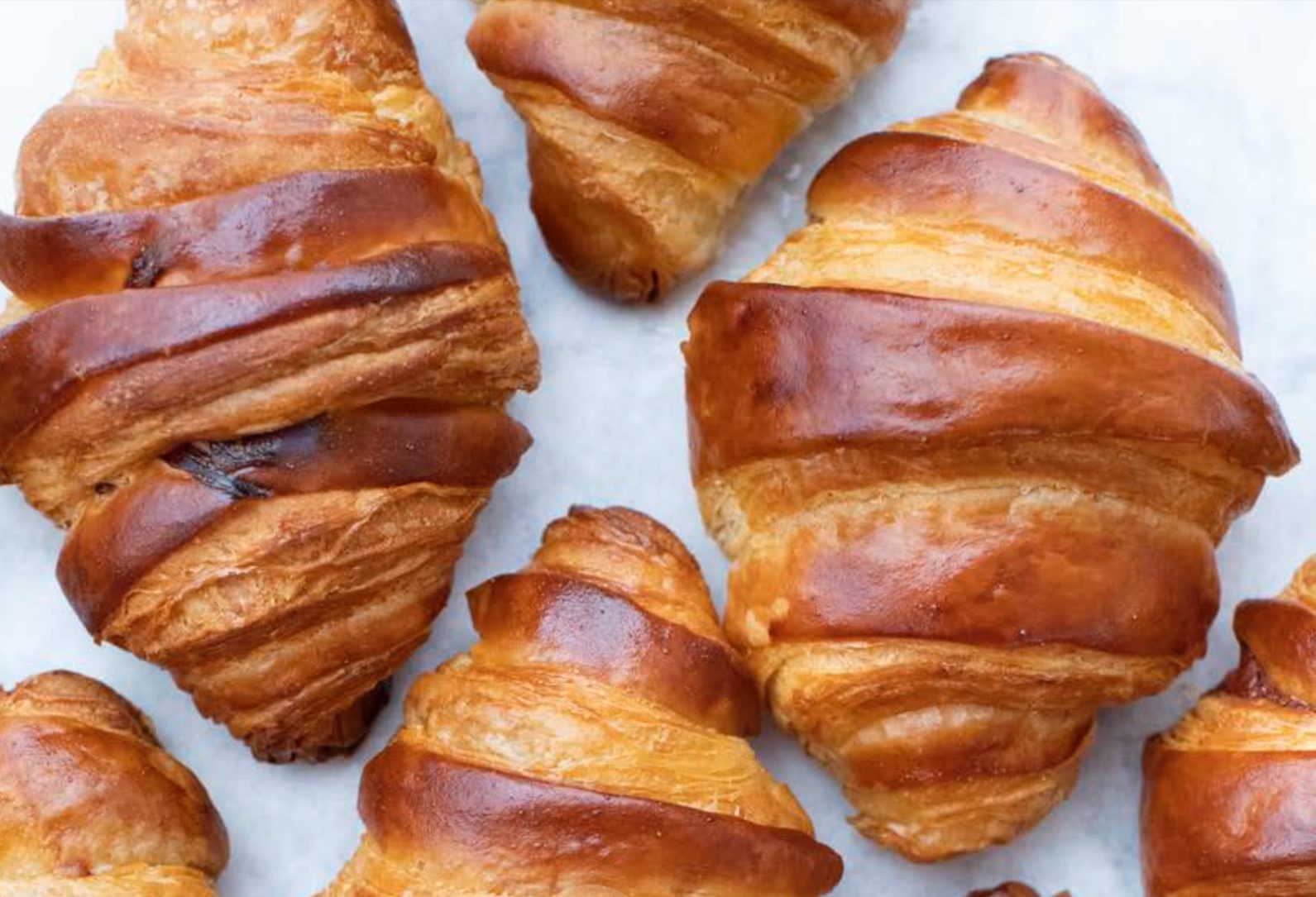
Elevate Your Breakfast: Flaky Prosciutto Gruyère Croissants Recipe
Imagine waking up to the irresistible aroma of freshly baked croissants, their golden-brown crust promising delicate flakiness, while a savory whisper of prosciutto and nutty Gruyère cheese awaits inside. This isn't just a dream reserved for Parisian bakeries; it's a delectable reality you can achieve in your own kitchen with our recipe for Master Flaky Prosciutto Gruyère Croissants with Cheater Dough. Forget the intimidating, multi-day process of traditional croissant making; we’re here to introduce you to the magic of the "cheater croissant dough," a revolutionary approach that delivers stunning results with remarkable ease.
These aren't your average croissants. They're an experience—a perfect balance of rich, savory fillings nestled within tender, airy layers that puff up beautifully during baking. Ideal for a luxurious breakfast, a sophisticated brunch, or even an elegant snack, these prosciutto Gruyère croissants are poised to become your new favorite morning treat.
The Secret to Effortless Flakiness: Embracing the "Cheater Croissant Dough"
The very mention of "croissants" often conjures images of endless butter laminations, precise folding techniques, and a hefty time commitment. For many home bakers, this has historically placed homemade croissants firmly in the realm of aspirational, rather than achievable, baking. However, thanks to innovative culinary minds, the "cheater croissant dough" has emerged as a game-changer, democratizing the art of flaky pastry.
What exactly is a "cheater croissant dough"? It's a clever adaptation that bypasses the traditional, labor-intensive butter-folding process while still delivering an astonishingly flaky and light pastry. Instead of intricate butter blocks, this dough often incorporates butter directly into the mixture in a way that encourages layers to form during baking, creating that coveted puff and delicate texture. Inspired by techniques from culinary luminaries like Dominique Ansel and Mandy Lee, this dough offers a shortcut to success without compromising on taste or texture.
The beauty of this method lies in its accessibility. It significantly cuts down on prep time and the need for specialized equipment or advanced pastry skills, making gourmet Achieve Feather-Light Prosciutto Gruyère Croissants with Faux Dough a real possibility for anyone with a passion for baking. You get all the ethereal lightness and crisp, buttery layers of a traditional croissant, but with a fraction of the effort, transforming a daunting task into a delightful culinary adventure.
The Perfect Pairing: Why Prosciutto and Gruyère Shine
While the dough itself is a marvel, the filling is where these croissants truly sing. The combination of prosciutto and Gruyère is a classic for a reason, offering a sophisticated symphony of flavors and textures that perfectly complements the rich, buttery pastry.
- Prosciutto: This Italian dry-cured ham is renowned for its delicate, paper-thin slices and intensely savory, slightly salty flavor profile. When baked within the croissant, the prosciutto warms and crisps just slightly, releasing its aromatic oils and infusing every layer with its distinctive umami. Its subtle sweetness and depth add a luxurious counterpoint to the richness of the cheese and butter.
- Gruyère Cheese: Hailing from Switzerland, Gruyère is a hard, nutty, and slightly sweet cheese that melts beautifully. As the croissants bake, the Gruyère softens and oozes, creating pockets of creamy, savory delight. Its robust flavor stands up well to the prosciutto, providing a satisfying, tangy creaminess that balances the salty meat.
Together, these two ingredients create a harmonious balance: the saltiness of the prosciutto awakens the palate, while the creamy, nutty Gruyère provides a comforting richness. Each bite offers a satisfying crunch from the pastry, followed by the yielding tenderness of the ham and the gooey embrace of the melted cheese. This dynamic duo transforms a simple breakfast pastry into a gourmet experience, making these croissants suitable as a standalone meal or as an impressive centerpiece for any brunch spread.
Crafting Your Prosciutto Gruyère Croissants: A Step-by-Step Guide for Home Bakers
Once you have your "cheater croissant dough" ready (either homemade using a simplified recipe or a quality store-bought variant if available), the assembly process is straightforward and incredibly rewarding.
- Prepare Your Workspace: Begin by lining a sheet pan with parchment paper and generously flouring your work surface. This prevents sticking and ensures your dough is easy to handle.
- Roll the Dough: Take half of your prepared cheater croissant dough. Using a rolling pin, carefully roll it into a rectangle measuring approximately 10 by 15 inches (25 by 38 cm). The goal is an even thickness throughout for consistent flakiness. With a long side facing you, trim the edges to straighten them, aiming for long sides that measure about 14 inches (35.5 cm) for a clean finish.
- Cut Triangles: Using a ruler, mark along the bottom edge of the dough every 3½ inches (9 cm). Then, with a sharp knife or pastry wheel, cut long triangles from the dough. Each triangle should measure approximately 10 inches (25 cm) long with a 3½-inch (9 cm) wide base.
- Stretch and Fill: Gently pick up the base of one dough triangle. Carefully stretch it until it reaches about 12 inches (30.5 cm) in length. This stretching helps create more layers as you roll. Lay the stretched triangle on your work surface. Place one slice of prosciutto over the wider part of the triangle, followed by a slice of Gruyère cheese on top of the prosciutto.
- Roll the Croissants: Starting from the wide end, carefully roll the dough triangle towards the tip. Ensure the filling stays tucked inside as you roll. Once rolled, place the croissant on your prepared sheet pan. A crucial tip for preventing your croissants from unrolling during baking: make sure the pointy end of the dough is tucked securely underneath the rolled croissant. If it's on top, it tends to pop up and unravel. Repeat this process with the remaining dough triangles, spacing the croissants evenly on the sheet pan, as they will expand significantly during proofing and baking.
- Proofing for Perfection: Loosely cover the croissants with plastic wrap. Let them rise in a warm, draft-free place for 2 to 2½ hours. During this time, they should double in size and become visibly puffed and airy. This crucial step develops their light texture.
- Bake to Golden Glory: Preheat your oven to 400°F (200°C) with a rack positioned in the middle. Once the croissants are adequately proofed, gently remove the plastic wrap and brush them with an egg wash (typically one egg beaten with a tablespoon of water or milk). This gives them that beautiful golden sheen.
- Final Bake: Bake for 25 to 30 minutes, or until the croissants are deep golden brown, and the layers appear fully baked and crisp. Avoid underbaking, which can result in a doughy interior.
- Cool and Enjoy: Transfer the sheet pan to a wire rack to allow the croissants to cool completely. While tempting, resist the urge to cut into them immediately; cooling allows the internal structure to set. For the absolute best flavor and texture, these croissants are best enjoyed the same day they are made.
Tips for Prosciutto Gruyère Croissant Perfection
Achieving bakery-quality croissants at home, even with a cheater dough, benefits from a few expert insights:
- Quality Matters for Fillings: Since the prosciutto and Gruyère are starring ingredients, opt for the best quality you can find. A good quality prosciutto will offer superior flavor, and a creamy, authentic Gruyère will melt beautifully, enhancing the overall experience.
- Don't Overwork the Dough: Even with a "cheater" dough, handling it gently is key. Overworking can develop too much gluten, resulting in tough croissants rather than light, airy ones.
- The Art of Proofing: A warm, slightly humid environment is ideal for proofing. If your kitchen is cool, consider placing the covered sheet pan in a slightly warmed (but turned off) oven or near a warm water bath to aid the rise. Proper proofing is vital for achieving that signature airy texture.
- Achieve the Golden Brown: Don't be shy about letting your croissants bake until they are a deep, rich golden brown. This ensures they are cooked through, crispy on the outside, and flaky all the way to the center. Pale croissants often indicate an underbaked interior.
- Serving Suggestions Beyond Breakfast: While perfect with coffee or orange juice, these savory croissants also make excellent additions to a charcuterie board, a sophisticated appetizer for a gathering, or even the base for an elevated Croissant Breakfast Sandwich by adding a fried egg.
Conclusion
The journey to homemade prosciutto gruyere croissants no longer requires a pilgrimage to culinary school. With the innovation of "cheater croissant dough" and the exquisite pairing of savory prosciutto and nutty Gruyère, you can now bring the luxury of a gourmet bakery into your own home. Follow these simple steps and expert tips, and soon your kitchen will be filled with the enticing aroma of these flaky, flavorful pastries. Get ready to impress yourself and your loved ones with a breakfast treat that truly elevates the everyday.
