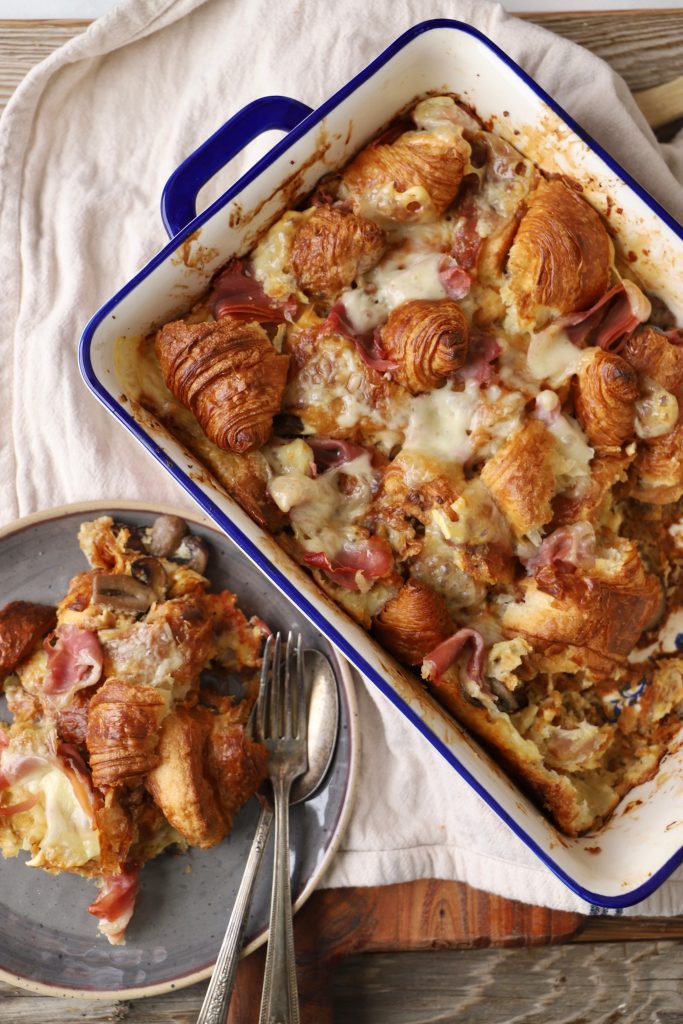
Unlocking the Secret to Flaky Croissants: The Cheater Dough Revolution
Imagine waking up to the aroma of freshly baked croissants, golden brown, impossibly flaky, and bursting with savory goodness. For many home bakers, the dream of crafting perfect croissants at home often feels just that – a dream. The traditional method, with its intricate butter laminating, endless folding, and chilling, can be daunting. But what if we told you there's a revolutionary "cheater" dough that lets you achieve those coveted delicate layers and rich flavor without the intense labor?
Enter the world of prosciutto gruyere croissants made with an ingenious shortcut dough. While purists might argue they aren't "genuine" croissants in the classical sense, we promise these delightful pastries are so flaky, so delicious, and so satisfying that you won't care about technicalities. They offer a profound culinary experience, transforming your breakfast or brunch into a gourmet affair. Inspired by innovative bakers who’ve cracked the code on simplified laminated doughs, this method allows you to bring the bakery magic right into your own kitchen, delivering incredible results with significantly less effort.
The beauty of this cheater dough lies in its ability to mimic the light, airy structure of traditional croissants without the painstaking process of incorporating layers of butter through repeated rolling and folding. Often leveraging the speed and efficiency of a food processor for initial mixing, this dough streamlines the process dramatically. The result is a pastry that still bakes up into a puff of feather-light, distinct layers – a truly astonishing feat that feels and tastes remarkably like its labor-intensive cousin. For those eager to dive deep into the creation of these exquisite pastries, our comprehensive guide, Elevate Your Breakfast: Flaky Prosciutto Gruyère Croissants Recipe, offers all the detailed steps you'll need.
The Irresistible Allure: Why Prosciutto and Gruyère Are a Match Made in Heaven
While the dough provides the canvas, the filling paints the masterpiece. For these savory croissants, the combination of prosciutto and Gruyère cheese is nothing short of sublime. Each ingredient plays a crucial role in creating a harmonious flavor profile that elevates these pastries from simple breakfast items to truly memorable treats.
- Prosciutto: This thinly sliced, dry-cured Italian ham brings a delicate saltiness and a rich, complex umami flavor that is both bold and refined. As it bakes within the croissant layers, the prosciutto crisps slightly at the edges while remaining tender, infusing the surrounding dough with its savory essence. Its nuanced flavor profile is less assertive than smoked ham, allowing the delicate pastry and nutty cheese to shine.
- Gruyère: A classic Swiss cheese, Gruyère is renowned for its firm texture, creamy mouthfeel, and distinct nutty, earthy, and slightly sweet flavor. It melts beautifully, creating pockets of gooey richness within the croissant. The subtle tang and robust character of Gruyère perfectly complement the saltiness of the prosciutto, balancing the flavors without overpowering them.
Together, prosciutto and Gruyère create a symphony of textures and tastes: the crisp exterior of the croissant, the tender and flaky interior, the salty bite of prosciutto, and the molten, nutty embrace of Gruyère. It's a combination that's suitable for breakfast, a sophisticated brunch, or even a light lunch. The inspiration for this pairing often comes from classic European bakeries, like those found in Eataly, where savory pastries filled with thinly sliced meats and cheeses are a staple.
Your Blueprint to Bakery-Quality Croissants: Step-by-Step Instructions
Creating these delightful prosciutto gruyere croissants is a manageable and rewarding process, especially with the cheater dough. Here's how you'll transform simple ingredients into a flaky, savory masterpiece:
Preparing Your Workspace and Dough
First, ensure your half recipe of Cheater Croissant Dough is ready to go. The genius of this dough, often detailed in resources like Achieve Feather-Light Prosciutto Gruyère Croissants with Faux Dough, is its simplified laminating process, which still delivers incredible texture. Line a sheet pan with parchment paper – this is essential for easy cleanup and preventing sticking. Generously flour your work surface; this dough can be a little sticky, and ample flour prevents frustration.
Next, gently roll out your dough into a rectangle roughly 10 by 15 inches (25 by 38 cm). Aim for even thickness. With a long side facing you, trim the edges to straighten them, making sure the long sides measure approximately 14 inches (35.5 cm). This precision helps ensure uniformly sized croissants.
Cutting and Shaping the Triangles
Using a ruler, make marks along the bottom edge of your dough every 3½ inches (9 cm). Then, carefully cut long triangles, each measuring about 10 inches (25 cm) long from base to tip and 3½ inches (9 cm) wide at the base. This method yields the classic croissant shape.
Once cut, take each triangle and gently stretch it until it reaches about 12 inches (30.5 cm) in length. This stretching elongates the dough, allowing for more rolls and, consequently, more flaky layers in your final croissant.
Filling and Rolling
Lay a stretched dough triangle on your work surface. Place one slice of prosciutto over the wider part of the triangle, followed by a slice of Gruyère. Don't overload it; a single layer ensures the dough can still roll properly and the cheese melts evenly without oozing excessively.
Starting from the wide end, carefully roll up the dough toward the tip. The key here is to roll snugly but not too tightly. Once rolled, place the croissant on your prepared sheet pan, ensuring the pointy end is tucked neatly underneath. This prevents the tip from popping up and burning during baking. Repeat this process with all remaining triangles, spacing them generously on the sheet pan, as they will expand significantly during proofing and baking.
Proofing: The Critical Rise
Cover your sheet pan loosely with plastic wrap. This step is crucial. Let the croissants rise in a warm, draft-free place for 2 to 2½ hours. During this time, they should double in size and become visibly puffy. This proofing allows the yeast to work its magic, creating air pockets that contribute to the light, airy texture and spectacular flakiness. Don't rush this step; under-proofed croissants will be dense, while over-proofed ones may collapse.
Mastering the Bake: Pro Tips for Perfect Prosciutto Gruyère Croissants
The bake is where the magic truly happens, transforming your proofed dough into golden, flaky wonders.
Preheating and Egg Wash
Position an oven rack in the middle of your oven and preheat it to 400°F (200°C). A properly preheated oven is vital for achieving that initial spring and even cooking. Just before baking, gently remove the plastic wrap and brush each croissant with egg wash. An egg wash (typically a beaten egg with a splash of water or milk) gives the croissants that beautiful, glossy, deep golden-brown finish.
Baking to Perfection
Bake the croissants for 25 to 30 minutes, or until they are a deep golden brown and the layers look thoroughly cooked through, not raw or doughy. Keep an eye on them; ovens vary, and some may bake faster or slower. The aroma alone will tell you they're nearing perfection! Once baked, transfer the sheet pan to a wire rack and allow the croissants to cool completely. While the temptation to dig in immediately is strong, cooling allows the internal structure to set and the flavors to fully develop.
Expert Tip: Croissants are always best enjoyed the same day they are made. The delicate flakiness begins to soften over time. However, if you do have leftovers, a quick refresh in a warm oven (around 300°F/150°C for 5-7 minutes) can revive some of their crispness.
Beyond Breakfast: Creative Ways to Enjoy Your Croissants
While a prosciutto gruyere croissant is a stellar breakfast or brunch item on its own, its savory profile makes it incredibly versatile. Think beyond just the morning meal:
- Elevated Lunch: Split a cooled croissant and add fresh arugula or baby spinach for a light lunch. A drizzle of balsamic glaze can add an extra layer of flavor.
- Soup Companion: Serve warm croissants alongside a creamy tomato soup or a French onion soup for a sophisticated and satisfying meal.
- Appetizer Platter: Cut them into smaller pieces and serve on an antipasto platter with olives, sun-dried tomatoes, and perhaps some additional cured meats and cheeses.
- Croissant Breakfast Sandwiches: As mentioned in the original inspiration, these are fantastic for creating gourmet breakfast sandwiches. Add a fried egg and a slice of avocado for an indulgent start to your day.
Mastering these flaky, savory croissants with cheater dough isn't just about baking; it's about empowering yourself to create incredible culinary experiences without the intimidation. With a little guidance and the right ingredients, you'll be producing bakery-quality prosciutto gruyere croissants that will impress family and friends alike, proving that sometimes, the best shortcuts lead to the most delicious destinations.
